• If you are posting pictures, and they aren't posting in the correct orientation, please flush your browser cache and try again.

    Edge
    Safari/iOS
    Chrome

An affordable barn made with two containers

String level pulled tight with the level in the middle of the string should work fine to get your outside measurements. Use good quality masons string that you can really pull tight. Once you have the two outside measurements then you can remove the level and just use the string to set any additional posts.
 
For you more resourceful fellas.. Say you had estimated 2' drop in elevation over the course of where you wanted to put a 40' container

1. How would you go about leveling support points for said container with just basic tools that might be in the household? I've thought about just using lathe/string line/string line level but I feel like there would likely be too much sag in the string line? Also heard that a lot of the cheaper lazer levels are basically worthless outdoors but if there is one that would be suitable for not crazy $ i could see buying it.
2. What would you use for foundation/support underneath it? Assuming i'm going to get it elevated and not build a gravel pad for it.

@birdog - I hadn't considered covering it although there is pretty good mature deciduous tree coverage over it. That sounds like another headache!

I used 3 1/2 inch concrete patio blocks to level mine. I also put down about 3 inches of the big course stone to allow for drainage and air circulation under the container per the shipping container guy. I leveled my pads using clear hose and a 5 gallon bucket filled with water and sprayer dye (you really don't need the dye but it makes it a lot easier to see your line). I zipped tied the clear tube to a 1x2 board and set the bucket of water on an upside down garbage can right smack in the middle of where the container was going to go. Stick the tube in the bucket and get some water in the tube and then use the water line in the clear tube to level your block. Set the stick on your highest block, or really any block for that matter and mark a line on the stick where the water line is and there you go. Set all your blocks to match that line and don't move the bucket or you will have to start over. It sounds like a lot of work but I already had everything set up to level platforms for tower blinds. Basically it's a poor mans transit. The video should help explain it. He uses a yard stick however I just made a mark on my stick. One stick that you can move around with is better than how this guy did it but I think you will get the idea.

And yes I agree. If you have good shade on your containers I think you will be fine. Direct sun is bad because them suckers get hot!

 
For shipping containers I highly recommend a 6”-8” or more air gap under the container for air flow. We have had them on the ground and after several years the floors rot we now set them on retired concrete railway crossing planks on each end under the bulkhead is all that is required and they will last for decades set this way.
 
Finally got a container delivered today. Far from ideal time of the year with snow and frozen ground. I'll let it sit on the ground til spring and then i'll get it elevated on blocks. Anyone have good ideas for access ramps once it's elevated?
 
Finally got a container delivered today. Far from ideal time of the year with snow and frozen ground. I'll let it sit on the ground til spring and then i'll get it elevated on blocks. Anyone have good ideas for access ramps once it's elevated?

Expanded steel on a box beam frame. An old utility trailer might do.

Here's an example from Marketplace. $200 bucks for an old trailer. Take off the railing and drawbar, and you have a nice metal ramp that won't get slippery in rain or snow. Probably needs paint too.

 
Last edited:
Pour concrete pads under the bulkheads on both sides and do a sloped concrete ramp in the front with a step for the container to sit on so the floor and concrete ramp levels are near the same height. Be sure to get it off the ground to allow air flow underneath so your floor doesn’t rot out.
 
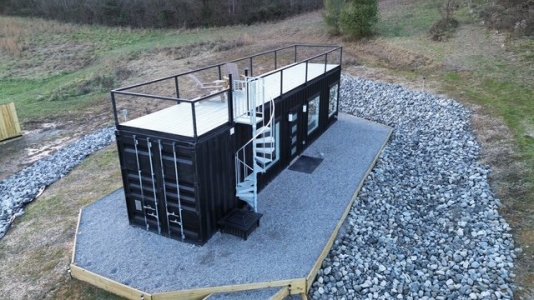
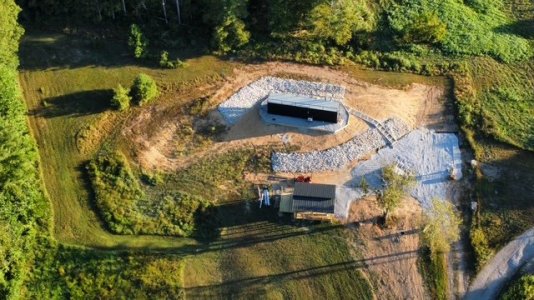
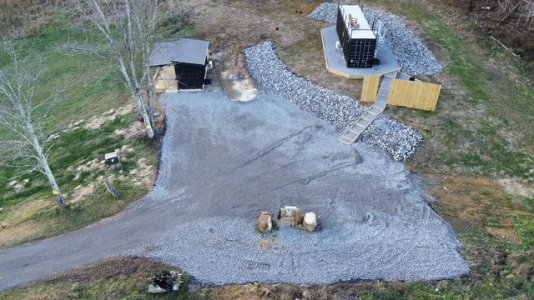
We have two container cabins. As others have mentioned you do need air circ below them. If you're on stable ground old utility poles, rail ties, patio blocks, etc can work. If zoning requires it- helical piles seem to be a way to go- but this brings in the double edges sword of affixed verus portable for zoning, taxes, etc. We used 6x6s, big 4" gravel (like rail ballast) and poured pads below after leveling. On the 40 ft i think we have 4 horizontal (width wise) concrete grade beams and 3 on the 20. Bag mix after jack leveling. I dont remember and this was only a few months ago. This is on a hillside on Appalachia red clay. We have utilities in and out of them.
 
Last edited:
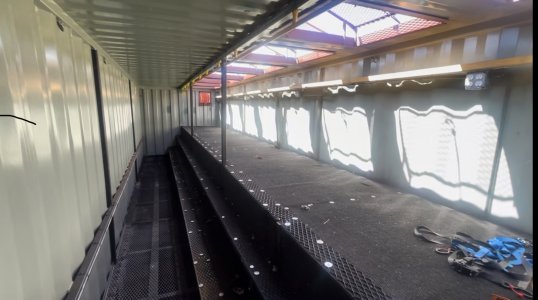
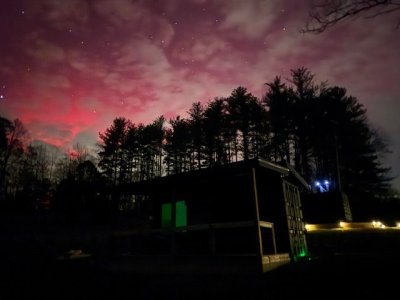
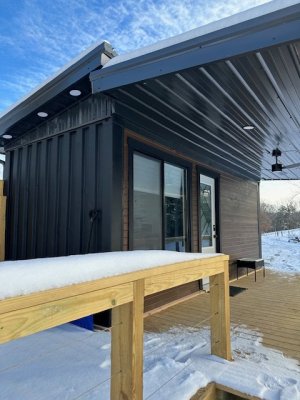
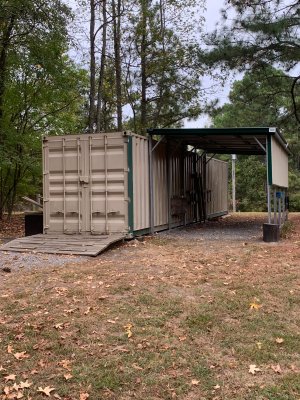
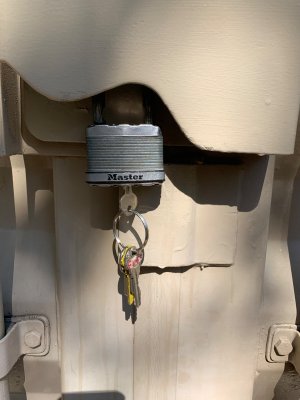
some pics...
 

Attachments

  • dji_fly_20251220_160152_335_1766264576840_photo_optimized.JPG
    dji_fly_20251220_160152_335_1766264576840_photo_optimized.JPG
    81.8 KB · Views: 15
  • dji_fly_20250831_074630_322_1756641095695_photo_optimized.JPG
    dji_fly_20250831_074630_322_1756641095695_photo_optimized.JPG
    87.6 KB · Views: 15
  • dji_fly_20251220_155420_328_1766264356215_photo_optimized.JPG
    dji_fly_20251220_155420_328_1766264356215_photo_optimized.JPG
    85.3 KB · Views: 14
  • IMG_3533.jpeg
    IMG_3533.jpeg
    70.1 KB · Views: 14
  • IMG_6785.jpeg
    IMG_6785.jpeg
    40.3 KB · Views: 14
very cool on the duck blind and the cabin set up! I won’t be doing anything fancy.
 
Don't know anything about them but just saw add on container buildings from Toro steel buildings
 
Back
Top