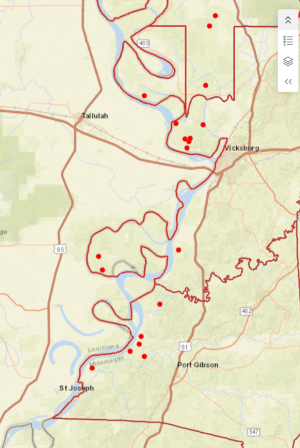
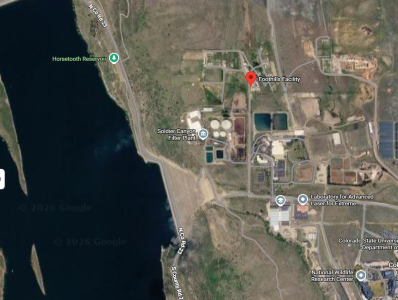
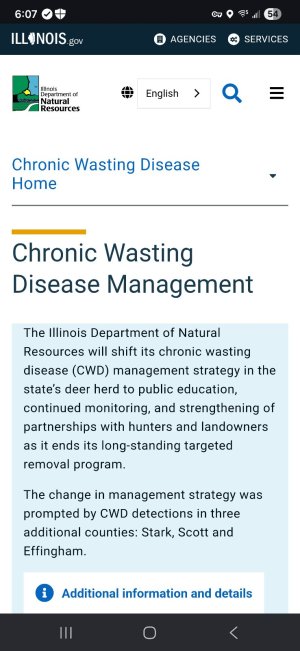
I dug a little deeper:
How could a disease spread from fort collins colorado to the gulf of mexico by water?
A disease could spread from Fort Collins, Colorado to the Gulf of Mexico through a massive, interconnected river system that acts as a natural "liquid highway" for waterborne pathogens.
The Water Path
Contaminants starting in Fort Collins follow a specific downstream route spanning thousands of miles:
Cache la Poudre River: The journey begins here as the river flows through Fort Collins.
South Platte River: The Poudre merges with the South Platte east of Greeley, Colorado.
Platte River: In Nebraska, the South Platte joins the North Platte to form the main Platte River.
Missouri River: The Platte empties into the Missouri River near Omaha, Nebraska.
Mississippi River: The Missouri flows into the Mississippi River north of St. Louis, Missouri.
Gulf of Mexico: The Mississippi finally discharges into the Gulf south of New Orleans.
Mechanisms of Spread
Disease-causing agents can survive this journey through several environmental factors:
Waterborne Pathogens: Bacteria like E. coli or parasites like Giardia can be transported long distances, especially if they are protected within sediment or biofilms.
Flooding Events: Extreme weather can overwhelm wastewater treatment plants, causing sewage overflows that rapidly move high concentrations of pathogens downstream.
Agricultural Runoff: Pathogens from livestock or fertilizers can enter the Poudre River and travel through the heavily agricultural Platte River Basin.
Migratory Vectors: Aquatic animals or birds moving between these connected water bodies can carry and shed diseases along the entire route.
While most pathogens die off due to UV exposure and dilution before reaching the Gulf, hardy species or those introduced during massive flood events can bridge the distance.
Would you like to know more about the specific types of bacteria most likely to survive this long-distance river travel?
Yes. Could a prion survive this travel
Yes, a prion could survive the journey from Fort Collins to the Gulf of Mexico. Unlike typical bacteria or viruses, prions are misfolded proteins that are exceptionally stable and resistant to most forms of environmental degradation.
Research from 2024 and 2025 emphasizes that prions are "nearly indestructible" in natural water systems and would likely remain infectious throughout the entire 2,000-mile river journey.
Factors Enabling Prion Survival
Extreme Resilience: Prions can withstand years of exposure to environmental stressors including UV radiation, heat, and common disinfectants.
Sediment Binding: In river systems, prions "travel with a partner" by binding to fine soil and silt particles. This binding actually stabilizes the protein, protecting it from degradation and helping it persist in the water column or riverbed for long periods.
Proven Longevity: Studies have detected active prion "seeding" in environmental sediments more than a year after the original source of contamination was removed.
Mechanisms of Travel
Prions originating from infected wildlife (like deer with Chronic Wasting Disease) near Fort Collins would enter the Cache la Poudre River via:
Erosion: Rainfall and snowmelt washing contaminated soil into the river.
Direct Shedding: Infected animals shedding prions through saliva, urine, or feces directly into the water.
Decomposition: Carcasses of infected animals breaking down in or near the riverbed.
Risk Assessment
While prions could physically reach the Gulf of Mexico, they would likely be highly diluted by the time they arrived. However, because it only takes a minute amount to cause infection in a susceptible host, scientists are increasingly using river sediment as a tool for tracking the spread of these diseases across vast landscapes.