
-
If you are posting pictures, and they aren't posting in the correct orientation, please flush your browser cache and try again.
Edge
Safari/iOS
Chrome
You are using an out of date browser. It may not display this or other websites correctly.
You should upgrade or use an alternative browser.
You should upgrade or use an alternative browser.
Time to lighten up - Laughter is good medicine Part II
- Thread starter Tree Spud
- Start date

jsasker007
5 year old buck +


H20fwler
5 year old buck +
Ah, 4.3% GDP growth?
Unfortunately most of that activity seems to be in tech, fuelled by massive spending on things like AI, which means it might be a bubble. The bottom two thirds of Americans by income are spending less, and spending on new industry is down. I wouldn't be surprised if we see a dip in Q1.
I'd like to see most of the Mexico and Canada tariffs go away, especially in the automotive industry. And I'd like to see tariffs on anything we don't produce go away. I think that would allow for growth in US manufacturing. That would make me a lot more confident about the future of the economy.
I made more in Tech stock last year than any of my others. AI is the future whether we like or dislike it, we either embrace it or get left behind by countries developing it.
As far as Mexico and Canada we will just have to disagree. I stand by my previous statements on tariffs.
"Tariffs are a long game. USA was getting ripped off for decades."
"And tariffs protect our workers and products from other countries undercutting us. Many countries were charging us ridiculous tariffs while we were hardly charging them anything for goods."
jsasker007
5 year old buck +
I was trying to figure when all of a sudden everyone thinks that they are more qualified to run the country than the sitting president. Seemed like someone flipped a switch and now everyone is a self proclaimed genius. Maybe it's just me and the people that wind up speaking to? Seems like it's everywhere and all the time now. There is zero respect for anything nowadays it seems. Maybe I just need to get caught up on my sleep.

Telemark
5 year old buck +
I'm in full support of AI. What I meant was it's unfortunate the economic growth seems to be limited to tech and AI as manufacturing growth in most sectors has been slowing down. Something like 75% of new investment is going into tech, with most of the rest in pharmaceuticals.
I'm not opposed to tariffs in general. I'm opposed to the tariffs that hurt Americans. I agree that tariffs should be used as a long game rather than sudden blanket tariffs on entire countries regardless of sector. Companies need time to build the production facilities in the US. You can't build and staff a factory in 6 months. It would have been better to start small and have increases over the next 5 years or so. And it would have been MUCH better to think it through and have one single coherent policy, rather than the hundreds of changes that have been made to the original tariff policy. Investors don't like chaos, it's bad for business.
There has been a significant drop in manufacturing construction in the US this year. Much of that is probably due to Trump's tariff policies. There was a huge boom in manufacturing construction after Covid, and especially after the CHIPS Act in 2022. That trend has reversed since Trump got elected. It seems like Trump's tariff policy is having the opposite effect than what he hoped for, and that is likely due to his ham-fisted approach to tariffs.
The economies of North America are so intertwined that tariffs on raw commodities like steel and aluminum will probably have a negative impact on the US. All it does is increase prices for Americans. Importing cheap steel and aluminum to the US allows our economy to hold the better value-added jobs and keeps consumer prices low. It's not better for our economy to produce the steel and aluminum in the US. It's better for our economy to produce things in the US from cheap high-quality metals. There's also the effect of the value-added jobs leaving the US on anything that crosses the border several times, because it can be cheaper to manufacture outside the US and just pay the tariff once. This is likely the reason manufacturing construction declined significantly in 2025.
There are other ways to keep the costs of raw materials down that would help our economy, like bringing energy costs down. Aluminum smelters have been closing in the US due to high energy costs, not because of Canadian tariffs. If Trump would focus on bringing down energy costs in the US, our aluminum would be cheaper, which brings down the cost of everything downstream. Adding a tariff to Canadian aluminum might make American smelters more competitive, but the price still increases, which ultimately means less consumption, which is bad for our economy.
Tariffs can be helpful, but they can also be very harmful. I think Trump's tariff policy will ultimately be harmful to the US because it is poorly conceived and poorly executed. However, it could change again at any moment, so who knows?
I'm not opposed to tariffs in general. I'm opposed to the tariffs that hurt Americans. I agree that tariffs should be used as a long game rather than sudden blanket tariffs on entire countries regardless of sector. Companies need time to build the production facilities in the US. You can't build and staff a factory in 6 months. It would have been better to start small and have increases over the next 5 years or so. And it would have been MUCH better to think it through and have one single coherent policy, rather than the hundreds of changes that have been made to the original tariff policy. Investors don't like chaos, it's bad for business.
There has been a significant drop in manufacturing construction in the US this year. Much of that is probably due to Trump's tariff policies. There was a huge boom in manufacturing construction after Covid, and especially after the CHIPS Act in 2022. That trend has reversed since Trump got elected. It seems like Trump's tariff policy is having the opposite effect than what he hoped for, and that is likely due to his ham-fisted approach to tariffs.
The economies of North America are so intertwined that tariffs on raw commodities like steel and aluminum will probably have a negative impact on the US. All it does is increase prices for Americans. Importing cheap steel and aluminum to the US allows our economy to hold the better value-added jobs and keeps consumer prices low. It's not better for our economy to produce the steel and aluminum in the US. It's better for our economy to produce things in the US from cheap high-quality metals. There's also the effect of the value-added jobs leaving the US on anything that crosses the border several times, because it can be cheaper to manufacture outside the US and just pay the tariff once. This is likely the reason manufacturing construction declined significantly in 2025.
There are other ways to keep the costs of raw materials down that would help our economy, like bringing energy costs down. Aluminum smelters have been closing in the US due to high energy costs, not because of Canadian tariffs. If Trump would focus on bringing down energy costs in the US, our aluminum would be cheaper, which brings down the cost of everything downstream. Adding a tariff to Canadian aluminum might make American smelters more competitive, but the price still increases, which ultimately means less consumption, which is bad for our economy.
Tariffs can be helpful, but they can also be very harmful. I think Trump's tariff policy will ultimately be harmful to the US because it is poorly conceived and poorly executed. However, it could change again at any moment, so who knows?
jsasker007
5 year old buck +

jsasker007
5 year old buck +

jsasker007
5 year old buck +

jsasker007
5 year old buck +
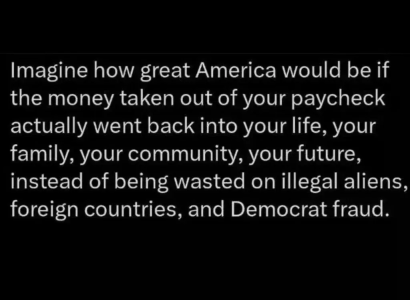
jsasker007
5 year old buck +

jsasker007
5 year old buck +

jsasker007
5 year old buck +

jsasker007
5 year old buck +

jsasker007
5 year old buck +

jsasker007
5 year old buck +

jsasker007
5 year old buck +


Wind Gypsy
5 year old buck +
What's she talkin about? ICE? Covid? Gun control?

roymunson
5 year old buck +
Hush.I'm in full support of AI. What I meant was it's unfortunate the economic growth seems to be limited to tech and AI as manufacturing growth in most sectors has been slowing down. Something like 75% of new investment is going into tech, with most of the rest in pharmaceuticals.
I'm not opposed to tariffs in general. I'm opposed to the tariffs that hurt Americans. I agree that tariffs should be used as a long game rather than sudden blanket tariffs on entire countries regardless of sector. Companies need time to build the production facilities in the US. You can't build and staff a factory in 6 months. It would have been better to start small and have increases over the next 5 years or so. And it would have been MUCH better to think it through and have one single coherent policy, rather than the hundreds of changes that have been made to the original tariff policy. Investors don't like chaos, it's bad for business.
There has been a significant drop in manufacturing construction in the US this year. Much of that is probably due to Trump's tariff policies. There was a huge boom in manufacturing construction after Covid, and especially after the CHIPS Act in 2022. That trend has reversed since Trump got elected. It seems like Trump's tariff policy is having the opposite effect than what he hoped for, and that is likely due to his ham-fisted approach to tariffs.
The economies of North America are so intertwined that tariffs on raw commodities like steel and aluminum will probably have a negative impact on the US. All it does is increase prices for Americans. Importing cheap steel and aluminum to the US allows our economy to hold the better value-added jobs and keeps consumer prices low. It's not better for our economy to produce the steel and aluminum in the US. It's better for our economy to produce things in the US from cheap high-quality metals. There's also the effect of the value-added jobs leaving the US on anything that crosses the border several times, because it can be cheaper to manufacture outside the US and just pay the tariff once. This is likely the reason manufacturing construction declined significantly in 2025.
There are other ways to keep the costs of raw materials down that would help our economy, like bringing energy costs down. Aluminum smelters have been closing in the US due to high energy costs, not because of Canadian tariffs. If Trump would focus on bringing down energy costs in the US, our aluminum would be cheaper, which brings down the cost of everything downstream. Adding a tariff to Canadian aluminum might make American smelters more competitive, but the price still increases, which ultimately means less consumption, which is bad for our economy.
Tariffs can be helpful, but they can also be very harmful. I think Trump's tariff policy will ultimately be harmful to the US because it is poorly conceived and poorly executed. However, it could change again at any moment, so who knows?
We're here for memes, not diatribes
jsasker007
5 year old buck +

jsasker007
5 year old buck +

Similar threads

- Replies
- 269
- Views
- 11K


