356
5 year old buck +
Here are some excerpts from presentation I am preparing for an upcoming Coop field day: The source info came from the NRCS, NDA Deer Steward II, Wild Turkey Science, NWTF and Mississippi State University.Heard regular burs drop nest raider # by 80%. Why does burning help?
Prescribed rotational burning is a land management strategy that improves habitat quality for wild turkey and bobwhite quail by reducing predator activity and creating the specific vegetation structures required for successful nesting and brood-rearing. This is a rare win-win for landowners. Why does fire work?
1. Reducing Predators
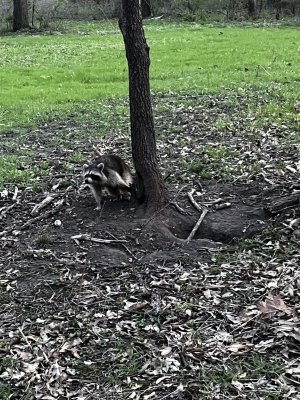
Fire Discourages Generalists: Frequent fire intervals (1–3 years) significantly decrease the occurrence of prolific nest predators like raccoons, skunks and opossums (generalists species). Raccoons and skunks tend to avoid freshly burned areas for long periods because fire removes the soft mast, bugs, and dense "rough" cover they prefer for foraging and denning.
Enhanced Visibility, Reduced Predator Success: By clearing out thick undergrowth and mid-story brush, prescribed burns improve visibility for ground-nesting birds, allowing them to spot and evade ambush predators more effectively. While predators like coyotes and bobcats may hunt in open burned stands, their hunting success decreases in the diverse "patchy" landscapes where they lack the thick cover needed for stalking. This is why a 100% successful burn is not required. Be happy with 70-80% (here I show some clips of the burns on our place and others I have assisted).
2. Supporting Better Nesting
Habitat Mosaic: Rotational burning creates a "patch-mosaic" of different vegetation stages. Hens often prefer to nest in areas that were burned 2–3 years prior, which provide enough structural cover to conceal the nest while remaining open enough for the hen to see approaching threats.
Promoting Native Flora: Fire is like hitting the reset button, suppressing--but not eliminating--invasive species and thick leaf litter while stimulating the growth of native grasses like broom sedge and forbs (wildflowers). These plants provide the ideal overhead concealment and "umbrella" cover required for nests.
Optimal Brood Habitat: Freshly burned areas are essential for "brooding"—the period after eggs hatch. The open ground allows young poults and chicks to move easily and find high-protein insects, which swarm recently burned sites to feed on new green growth.
A Personal Experience: In the trapping season starting in....
2022, 100 raccoons were trapped. After the season ended, I conducted my first growing season burn.
2023, 14 raccoons were trapped.
2024, 18 raccoons trapped. That winter I conducted a dormant season burn.
2025, 23 raccoons trapped.
While correlation does not equate to causation--and my experience is subject to a variety of variables--the numbers are meaningful to me and support our management goals. For example, I saw my first turkey poults in June 2025, eight full years years after we moved to the property. Clearly something has changed.
In my presentation I will play an except from this Link: Mike Chamberlain (University of Georgia) podcast on burns and predators.