• If you are posting pictures, and they aren't posting in the correct orientation, please flush your browser cache and try again.

    Edge
    Safari/iOS
    Chrome

Aging, Hang Time and Preservation of the Harvest

Update. I got her skinned and in the shop yesterday finally. Just finished butchering her. I think with the exception of a little more pellicle, she was nearly the same. I ate a little tenderloin last night and had a couple strips of sirloin tonight. Man she is good…


Sent from my iPhone using Tapatalk
 
Nothing better than fresh venison.
 
I am resurrecting this thread due to posts that spoke about gaming tasting deer. Well prepared venison is a delicacy. Aging the meat I grind one week (in the fridge) makes a huge difference. When I serve aged venison to friends, they cannot believe it is not the finest beef.

This post began with an experience from a couple of seasons ago, but I recently encountered this Bearded Butchers podcast that put aging of venison into perspective.
 
Being in Texas, we don't really have the opportunity to hang deer either, unless you have a separate walk-in cooler. I expect we'll only have had a single week where the temps were below 45 this entire season.

I like to quarter, ice, and then wait at least a day before butchering to let the meat relax. Afterwards, most of the cuts get vacuum packed and wet aged from 1-2 weeks. The rear hind quarters, however, we almost always dry age.

I have a little mini fridge attached to a temperature controller. Add a little rv fridge fan and a pan of salt with water added for humidity. I hang the hind quarters in there and then age for 21 days. (Longer or shorter tends to not come out as well) Lose some meat due to the pellicle, but everything else is turned into steaks with just a bit of stew meat left over. Everyone who eats it says it's the best venison they've ever had.
 
Hanging and aging a deer - what is that - southern hunter wanting to know 😎

I'm on the other end of that. Like this year's doe, the option was throw it in the truck and take it to the processor before they close, or butcher it myself tomorrow. At which point it will be frozen solid. Done that too many times before, trying to skin and cut up a frozen block of ice by hand is no fun.

(it's not really aging if it's frozen)

Before I started doing them myself and well before we found someone "local" to camp to do them, they aged for how many days were left to the trip. I will say, there's something I miss about that. Seeing the deer hanging, looking at them the rest of the week. I guess it signaled some sort of accomplishment. Some enjoyment I didn't realize I was getting until it was gone. Rushing the deer off to get cut up so quick seems to have changed the whole experience and lessened it.
 
Oklahoma fall and winters have changed over the decades, and it's never cold enough anymore, imo, to hang a deer for days. Kinda surprised that some here are ok with hanging for days at 50 degrees. I'd feel way more comfortable hanging with temps in the mid 30's, but, since I don't ever do it, I'm not sure what's right. Last thing I want is to make someone sick eating my food.
I just skin/quarter them up, and put on ice and salt in a cooler for 3 days. I'll use 1 backstrap for a meal or two, but all the rest of it goes towards jerky and ground venison. Usually will jerky up 2 deer every year, 40lbs of meat, making an average of 15 pounds of jerky. Takes me 3 days start to finish, and I'm worn ass out.

 
Kinda surprised that some here are ok with hanging for days at 50 degrees.

I've hung deer for 3 or 4 days at 50 degrees as long as the humidity is low.
 
I’ll be picking up the one from deer camp that has been aging for six weeks on Thursday.
 
Those 50 degree days are the reason I never skin my deer until I process them anymore. Way easier to skin when they are warm, but I think that hide insulates the carcass if I need to make it through a couple warm days. My doe earlier this year made it through two 50 degree days (not consecutive) and when I processed her everything was great! Other than those two days she had lows in the mid 20’s and highs right at 40. Perfect hanging weather IMO.


Sent from my iPhone using Tapatalk
 
Aging Update: DISASTER! I went to pick up and process my deer camp doe on January 2. Upon entering the walk in cooler I was confronted with the smell of spoiled meat. The temperature outside was 30, and it was 45 inside the cooler. The condenser had failed sometime in December, and the meat had sat unrefrigerated through late December's heatwave. I had to haul both carcasses into the deep woods and am working to get the smell off my gloves!

1767708326075.png
 
Skin and Quarter it and wrap it in air tight plastic wrap as soon as possible and place in the refrigerator. The meat relaxes and you can cut it whenever. Leaving it with the hide on is absolutely gross and skinning it and letting the air dry it out is so bad. Try my method you will change your mind.
 
Ooh that stinks... literally. I lost a buck once, 100% loss AFTER it had been processed (which I paid for) and packed in my freezer. Plug got knocked out without knowing, till I opened the freezer one day and the smell almost knocked me over. Looked like a murder scene inside. Felt so disgusted, and not just by the smell and the clean up later. Deer died for nothing. Wasted the deer, a lot of time, lot of work and money. 😢
 
  • Like
Reactions: 356
Skin and Quarter it and wrap it in air tight plastic wrap as soon as possible and place in the refrigerator. The meat relaxes and you can cut it whenever. Leaving it with the hide on is absolutely gross and skinning it and letting the air dry it out is so bad. Try my method you will change your mind.
I am doing something similar with other deer I harvested....All were aged seven to ten days using this method before going into the freezer. The one I lost was the "meat for fine dining" deer.

This is our processing weekend, so I look forward to spending time with my son processing the six deer. We will have some fine dining and table fare with this venison.
 
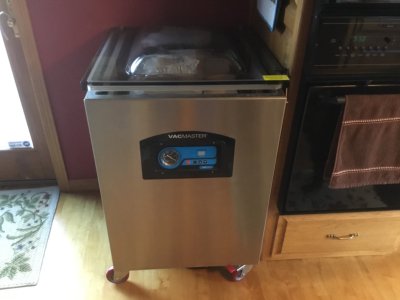
A good vacuum chamber sealer and bags with low oxygen transmission rate is like a Time Machine for frozen meat. 2 years is nothing.
 

Attachments

  • 76575965304__9B2447A8-D71A-44A6-BFC0-49AAEB2E1245.jpeg
    76575965304__9B2447A8-D71A-44A6-BFC0-49AAEB2E1245.jpeg
    296.2 KB · Views: 6
I found a vacuum sealed chunk of backstrap in the freezer last weekend from 2018. Thawed it and had to remove a touch of freezer burn where there was an air bubble. Tasted great otherwise!


Sent from my iPhone using Tapatalk
 
I’ve spent 30 years as an engineer (chemical) developing plastic films for the fresh meat packing business. Beef, pork, lamb, mutton, and horse.

I I’ve done shelf life studies on fresh and frozen meat at various temps, modified variables affecting bacterial growth, used anti microbial “washes” and have collaborated with some of the wolds top meat scientists and meat purveyors (JBS, Tyson, Cargill) on strategies to extend shelf life.

When you boil it all down there are 3 things we watch closely.

1. Cleanliness. NOTHING affects meat shelf life and quality more. By far the biggest source of bacterial contamination on meat is on the “ harvest” side of the plant…..evisceration.

2. Cold chain. From the time an animal is killed and skinned immediately, the clock is ticking. The colder it is the less bacteria can grow / multiply.

3 Oxygen. This one is simple. Most spoilage bacteria are aerobic. Oxygen is critical for bacteria to thrive.

Clean, cold, and deep vacuum are the goals.
 
A good vacuum chamber sealer and bags with low oxygen transmission rate is like a Time Machine for frozen meat. 2 years is nothing.
Our chamber sealer was one of the best investments (along with a quality grinder). Given $185 for basic processing per deer in our area, the initial investment of a grinder, chamber sealer, good knives and a some other processing tools (under $800) has provided great meat and cost savings—along with some fun experiments with brats and turkeys.
 
Back
Top